Picture this: you’re craving a hearty, flavorful dinner that warms your soul, but you’re watching your sodium intake. Sound impossible? It’s not! Low-sodium cooking doesn’t mean sacrificing taste. With the right ingredients and techniques, you can whip up meals that are rich, satisfying, and kind to your heart. Whether you’re cooking for health reasons or just want to cut back on salt, this guide will show you how to make dinners that pop with flavor—without the sodium overload.
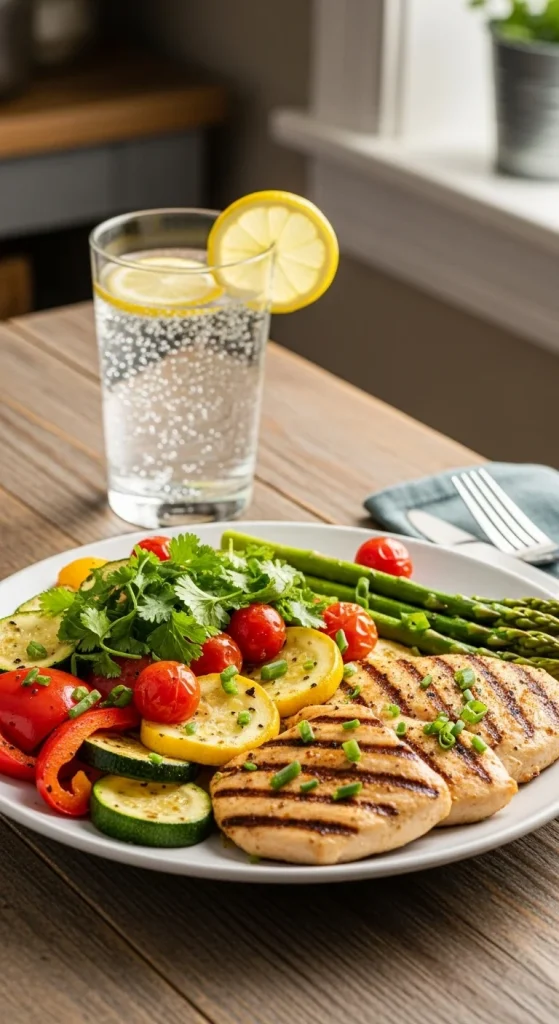
Let’s dive into the steps, tips, and tricks to create low-sodium dinner recipes that taste anything but bland.
Why Low-Sodium Cooking Matters
Sodium lurks in so many foods—canned soups, processed meats, even restaurant takeout. Too much can lead to bloating, high blood pressure, or just that “ugh” feeling. The good news? You can control sodium in your kitchen without losing the joy of eating. By using fresh ingredients, herbs, spices, and clever flavor boosters, you’ll craft meals that feel indulgent but keep sodium in check.
Quick Tip: The American Heart Association recommends no more than 2,300 mg of sodium daily, ideally closer to 1,500 mg for most adults. A single fast-food meal can hit that limit, but these recipes keep you way below.
Step 1: Stock Up on Flavorful Ingredients
The secret to low-sodium cooking is building flavor from the ground up. Skip the salt shaker and lean into ingredients that naturally enhance taste.
- Fresh Herbs: Basil, cilantro, rosemary, and thyme add aroma and depth.
- Spices: Paprika, cumin, turmeric, and chili powder bring bold, salt-free flavor.
- Citrus: Lemon, lime, or orange zest and juice brighten dishes instantly.
- Aromatics: Garlic, onions, and shallots create a savory base.
- Low-Sodium Staples: Opt for no-salt-added canned beans, tomatoes, or broth.
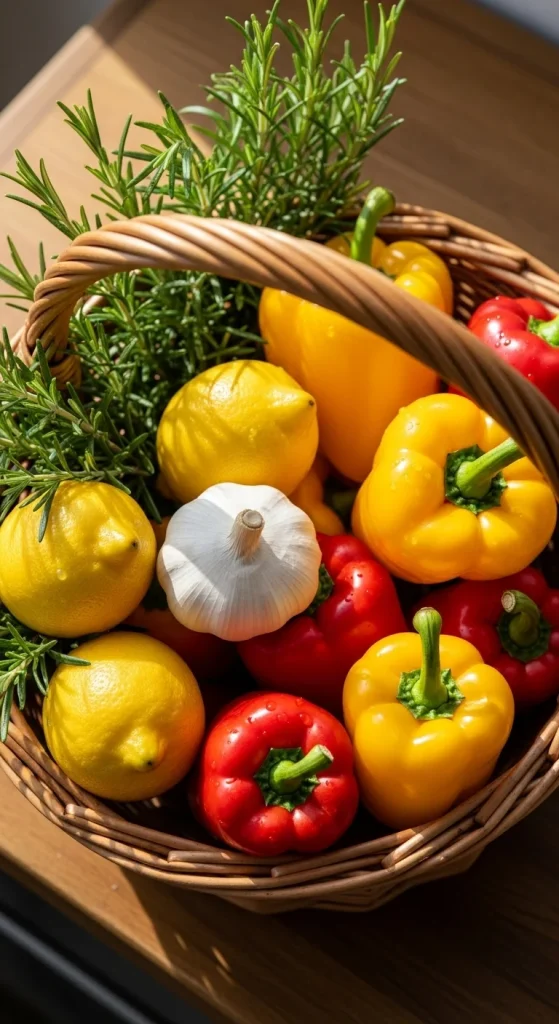
Pro Tip: Check labels! Even “healthy” foods like broth or canned veggies can sneak in sodium. Look for “no salt added” or “low sodium” versions.
Step 2: Master Flavor-Boosting Techniques
Cooking low-sodium doesn’t mean boring. These techniques amplify taste without a pinch of salt:
- Sauté Aromatics: Cook onions and garlic in olive oil to release their natural sweetness.
- Toast Spices: Dry-toast cumin or coriander in a pan for a deeper, nuttier flavor.
- Reduce Sauces: Simmer liquids like balsamic vinegar or citrus juice to concentrate flavors.
- Finish with Acid: A splash of vinegar or lemon juice at the end lifts the dish.
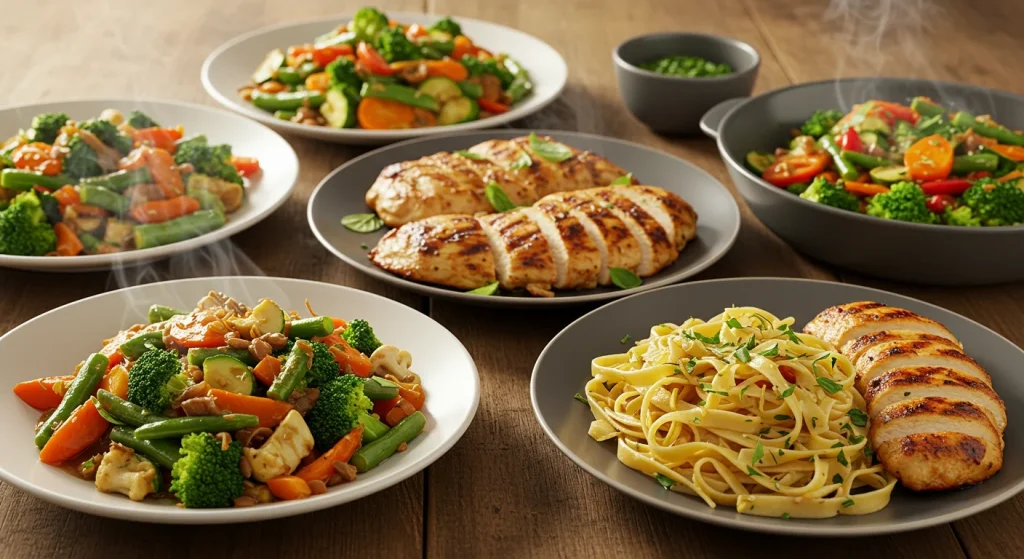
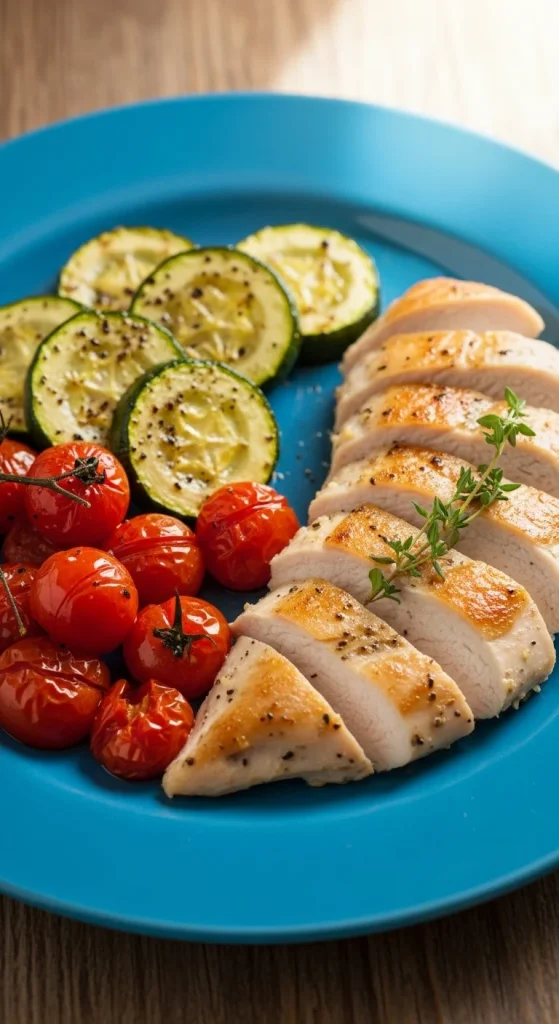
Let’s try a simple recipe: Lemon-Herb Grilled Chicken with Veggie Medley.
Step 3: Try This Easy Low-Sodium Recipe
This dish is a weeknight winner—juicy chicken and roasted veggies bursting with flavor, all under 200 mg of sodium per serving.
Ingredients (Serves 4)
- 4 boneless, skinless chicken breasts (4–6 oz each)
- 2 tbsp olive oil
- 2 cloves garlic, minced
- 1 tbsp fresh rosemary, chopped
- 1 tsp smoked paprika
- Juice and zest of 1 lemon
- 2 cups zucchini, sliced
- 2 cups bell peppers, chopped
- 1 cup cherry tomatoes, halved
- Black pepper to taste
Instructions
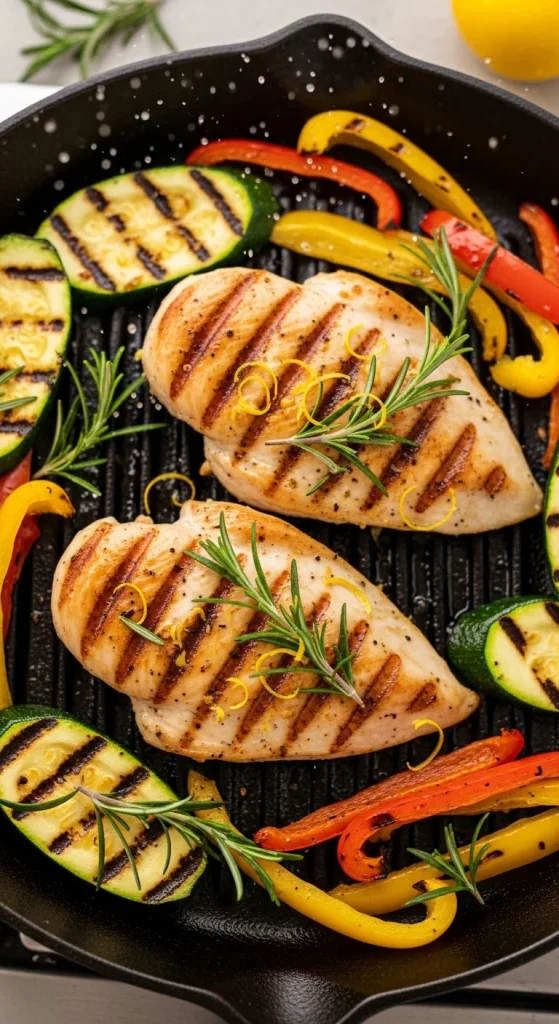
- Marinate the Chicken: In a bowl, mix olive oil, garlic, rosemary, smoked paprika, lemon juice, and zest. Coat chicken breasts and let sit for 20 minutes (or up to 2 hours in the fridge for max flavor).
- Prep Veggies: Toss zucchini, bell peppers, and cherry tomatoes with a drizzle of olive oil and black pepper.
- Grill or Bake: Preheat a grill pan or oven to 400°F. Grill chicken 6–8 minutes per side (or bake 20–25 minutes) until internal temp reaches 165°F. Roast veggies on a sheet pan for 15–20 minutes until tender.
- Serve: Slice chicken and plate with veggies. Squeeze fresh lemon over everything for a zesty kick.
Sodium Count: About 150 mg per serving, thanks to fresh ingredients and no added salt.
Step 4: Experiment with More Low-Sodium Ideas
Once you’ve got the basics, mix it up! Here are three more dinner ideas to keep your taste buds happy:
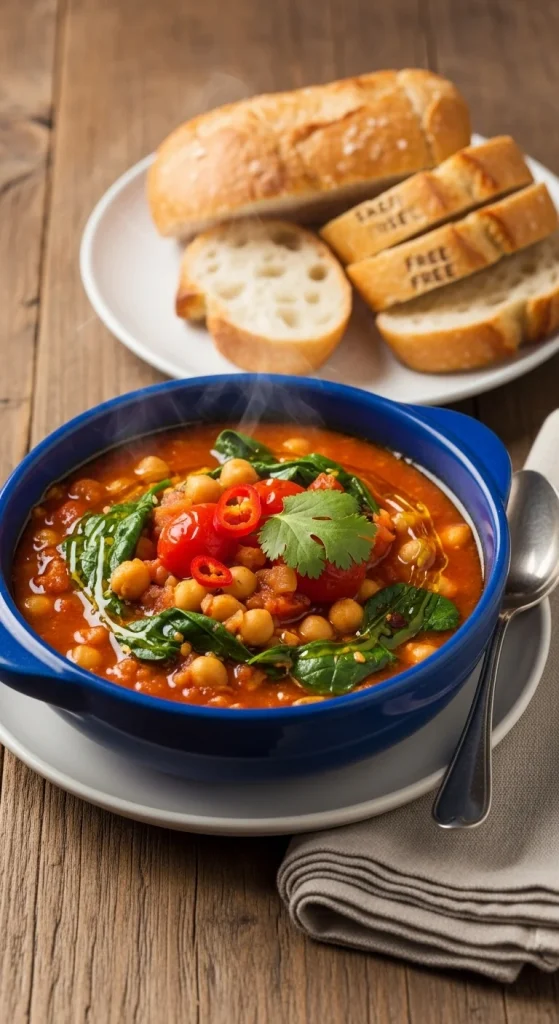
- Spicy Chickpea Stew: Simmer chickpeas with no-salt-added tomatoes, cumin, and chili powder. Add spinach and a splash of lime juice. (Sodium: ~100 mg per serving)
- Herb-Crusted Salmon: Rub salmon with dill, parsley, and lemon zest, then bake. Serve with roasted asparagus. (Sodium: ~120 mg per serving)
- Veggie Stir-Fry: Sauté broccoli, snap peas, and mushrooms in sesame oil with ginger and garlic. Finish with rice vinegar. (Sodium: ~80 mg per serving)
Step 5: Plate It Pretty
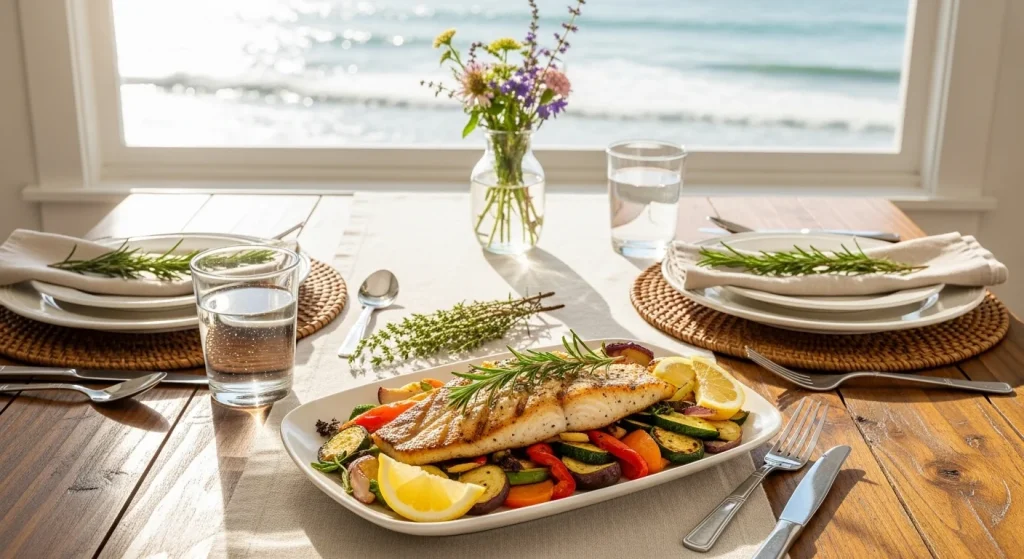
Presentation matters! A beautiful plate makes low-sodium food feel like a treat. Garnish with fresh herbs, a drizzle of olive oil, or a sprinkle of crushed red pepper for visual pop. Serve on colorful plates to make the meal Instagram-worthy.
Common Pitfalls to Avoid
- Over-relying on Processed Foods: Even “low-sodium” versions can add up. Stick to fresh or whole ingredients.
- Skipping the Taste Test: Adjust spices and citrus as you cook to nail the flavor.
- Bland Veggies: Always roast, grill, or sauté vegetables to bring out their natural sweetness.
Your Low-Sodium Journey Starts Now
Cooking low-sodium doesn’t have to feel like a chore. With fresh ingredients, bold spices, and a little creativity, you can make dinners that are as delicious as they are healthy. Start with the lemon-herb chicken recipe, then experiment with your own flavor combos. Your taste buds—and your body—will thank you.